
Trump Proposes Renaming U.S. Department of Defense Back to ‘Department of War’
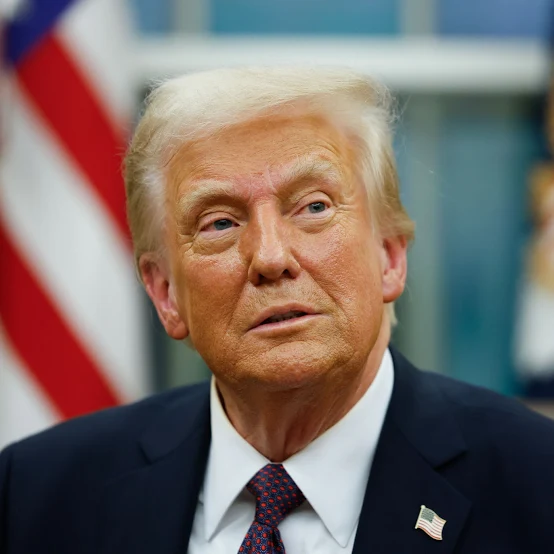
Former U.S. President Donald Trump has once again made headlines with a bold suggestion: renaming the Department of Defense back to its original title, the Department of War.
Speaking at two White House events on Monday—including a meeting with South Korean President Lee Jae-myung—Trump said the current name does not carry the same historical weight as the one it replaced.
“You know, we got the Department of Defense, but I between us, I think we’re going to change the name,” Trump said.
“Everybody likes that. We had an unbelievable history of victory when it was the Department of War.”
According to Trump, the change could happen within weeks, signaling that his administration is actively considering a rebrand of one of the nation’s most powerful institutions.
A Look Back: From Department of War to Department of Defense
The Department of War was established in 1789 as one of the original cabinet-level agencies, responsible for managing the U.S. Army and military affairs. However, after World War II, U.S. defense structures were reorganized, leading to the creation of the National Military Establishment in 1947. Just two years later, it was renamed the Department of Defense (DoD)—a title meant to reflect a more defensive, rather than offensive, posture in global affairs.
Today, the Department of Defense is one of the most influential and well-funded government agencies in the world. Headquartered at the Pentagon in Arlington, Virginia, it oversees the U.S. Army, Navy, Air Force, Marine Corps, and the newest branch, the Space Force.
Current Structure and Mission of the DoD
Led by the Secretary of Defense—currently Pete Hegseth, appointed by Trump and confirmed by the Senate—the Department is tasked with safeguarding national security and providing the military forces necessary to deter war.
With over 2.8 million military and civilian personnel, the DoD is one of the largest employers in the world. Its responsibilities go beyond warfare, including:
- Military operations worldwide
- Defense research and development of new technologies
- Humanitarian missions and disaster relief
- Alliance management, including NATO partnerships
- Nuclear deterrence and strategic defense
Why the Push to Rename?
Trump’s argument rests largely on symbolism and history. He claims the U.S. achieved “unbelievable victories” when the institution carried the Department of War name. To him, the title “Defense” suggests passivity, while “War” reflects strength and decisiveness.
Critics, however, argue that such a change could carry negative diplomatic consequences. Renaming the Department back to “War” could be perceived internationally as a more aggressive stance, potentially fueling global tensions.
Critics, however, argue that such a change could carry negative diplomatic consequences. Renaming the Department back to “War” could be perceived internationally as a more aggressive stance, potentially fueling global tensions.
Supporters counter that the U.S. military has always played both defensive and offensive roles, making the name “War” more historically accurate.
What Comes Next?
Trump hinted that an official announcement could come “within the next week or so.” If implemented, this would mark the first major rebranding of the Pentagon since 1949.
Whether the proposal is largely symbolic or a genuine administrative change remains to be seen, but it has already sparked debate among historians, military experts, and policymakers about the role of language in shaping military identity and U.S. foreign policy.
Renaming the Department of Defense to the Department of War would be more than a cosmetic change it would carry weighty implications for how America views itself and how it is perceived abroad.
As Trump continues to shape his political agenda, this idea may become another flashpoint in the ongoing debate over U.S. military power, symbolism, and national identity.
Read more: Trump Proposes Renaming U.S. Department of Defense Back to ‘Department of War’



For those seeking an exceptional online gaming experience, us.com](https://maxispin.us.com/) stands out as a premier destination. At Maxispin Casino, players can enjoy a vast array of pokies, table games, and other thrilling options, all accessible in both demo and real-money modes. The casino offers attractive bonuses, including free spins and a generous welcome offer, along with cashback promotions and engaging tournaments. To ensure a seamless experience, Maxispin provides various payment methods, efficient withdrawal processes, and reliable customer support through live chat. Security is a top priority, with robust safety measures and a strong focus on responsible gambling tools. Players can easily navigate the site, with detailed guides on account creation, verification, and payment methods. Whether you’re interested in high RTP slots, hold and win pokies, or the latest slot releases, Maxispin Casino delivers a user-friendly and secure platform. Explore their terms and conditions, read reviews, and discover why many consider Maxispin a legitimate and trustworthy choice in Australia.
The user-friendly nature of the platform ensures it is accessible to all users.
**Features of MaxiSpin.us.com**
The platform also features a built-in editor, allowing users to make immediate adjustments for the best outcomes.
**Benefits of Using MaxiSpin.us.com**
Individuals and small businesses can equally benefit from MaxiSpin.us.com.
Discover the thrill of real-money live casino action at online table games, where you can enjoy live dealers, top software providers, and exclusive promotions.
Responsible usage and fairness are emphasized throughout maxispin-au.com’s services.
Sprawdz poradnik jaka-kamera-do-drona-fpv.neocities.org, jesli szukasz najlepszych wskazowek przy wyborze kamery FPV na start.
Regulacja nachylenia kamery pozwala dostosowac kadr do stylu lotu i predkosci.