Gulf Tensions Soar as US and Iran Exchange Fresh Military Strikes
The Middle East is once again at the center of global attention after the United States and Iran exchanged another round of military strikes across the Gulf, raising concerns that the conflict could spiral into a broader regional war. The renewed hostilities have increased anxiety among world leaders, financial markets, and energy traders as one of the world’s most important shipping corridors faces growing instability.
Fresh Military Exchanges Raise Tensions
The latest wave of violence follows a series of U.S. strikes targeting Iranian military assets. Washington says the operations are aimed at degrading Iran’s ability to threaten international shipping lanes and regional allies.
Iran responded with missile and drone attacks against locations hosting U.S. military personnel in several Gulf countries. While some governments reported successfully intercepting incoming projectiles, the exchanges have heightened fears that neighboring states could become increasingly drawn into the conflict.
Military analysts warn that continued retaliation from both sides significantly increases the risk of miscalculation, potentially triggering a wider confrontation involving multiple regional actors.
Strategic Waterways Under Threat
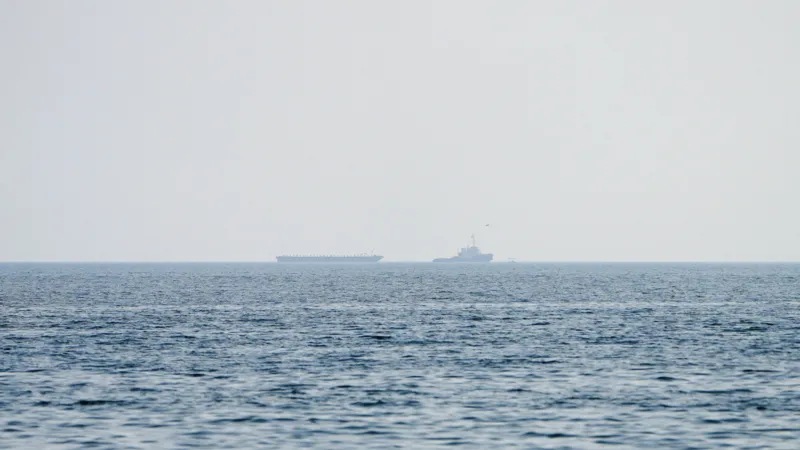
One of the biggest concerns surrounding the conflict is the security of the Gulf’s critical maritime routes, particularly the Strait of Hormuz and nearby shipping lanes. These waterways serve as a vital artery for global oil exports, with a substantial share of the world’s crude oil passing through the region every day.
Any prolonged disruption could affect international supply chains, shipping costs, and fuel prices across the globe. Recent attacks and heightened military activity have already forced shipping companies to reassess routes while insurers raise premiums for vessels operating in the area.
Oil Markets React
Energy markets responded quickly to the escalating tensions, with crude oil prices climbing sharply as investors priced in the possibility of supply disruptions.
Market analysts note that geopolitical uncertainty often pushes oil prices higher because traders fear interruptions in production or transportation. If the conflict continues to expand, consumers around the world could eventually feel the impact through higher fuel prices and increased transportation costs.
International Calls for Restraint
Governments around the world are urging both Washington and Tehran to avoid further escalation. Several countries have emphasized the importance of diplomacy while calling for measures to protect civilian populations and maintain freedom of navigation in international waters.
International organizations continue to monitor the situation closely, warning that an expanded conflict could have serious humanitarian and economic consequences far beyond the Middle East.
Regional Impact
Countries across the Gulf remain on high alert as air defense systems respond to potential threats. The uncertainty has affected business confidence, tourism, aviation, and commercial shipping throughout the region.
Beyond immediate security concerns, economists warn that prolonged instability could slow economic growth across multiple countries, especially those heavily dependent on energy exports and international trade.
What Happens Next?
The coming days will likely determine whether the crisis continues to escalate or shifts toward diplomatic negotiations. Military responses from either side could provoke further retaliation, while international mediation efforts may offer an opportunity to reduce tensions.
For now, governments, investors, and millions of people across the region remain focused on developments as each new strike increases concerns over a broader conflict.
The latest exchange of strikes between the United States and Iran marks another dangerous chapter in an already volatile regional crisis. With global energy markets reacting, neighboring countries strengthening their defenses, and diplomatic efforts intensifying, the world is watching closely for signs of either de-escalation or a wider confrontation.
As events continue to unfold, the priority for the international community remains preventing further violence while encouraging dialogue that could help restore stability to one of the world’s most strategically important regions.
Read More